
Male infertility is one of the leading reasons couples struggle to conceive, and in most cases, the first noticeable symptom is the inability to achieve pregnancy. However, many underlying signs often go unnoticed until a proper fertility evaluation is done. At Kiran Infertility Center, Marchela, specialists identify several indications that may point toward male infertility, helping couples receive timely treatment.


KIRAN INFERTILITY CENTER MACHERLA
At RAVI TEJA HOSPITALS
D.NO:12-3-234/5, Sagar road, Ring Road junction, Macherla
Hyderabad/Bengaluru/Chennai/Delhi/Macherla
Preferred Destination for all Fertility Treatrnents
Menu
Menu
Male Infertility Treatment in Marchela – Kiran Infertility Center
Common symptoms of male infertility include:
- Sexual problems such as difficulty ejaculating, very low semen volume, reduced sexual desire, or inability to maintain an erection
- Pain, swelling, discomfort, or a noticeable lump in the testicles
- Repeated infections affecting the reproductive area
- Abnormal breast development (gynecomastia)
- Reduced facial or body hair, suggesting hormonal or chromosomal concerns
- Sperm counts lower than normal during a semen analysis
These symptoms may appear individually or together, and a detailed evaluation at our Marchela center helps identify the contributing factors accurately.
Causes of Male Infertility
Male fertility depends on several essential processes working in harmony. Any disruption in these stages can lead to infertility. At Kiran Infertility Center, Marchela, diagnosis begins with understanding which part of the reproductive pathway is affected.
1. Production of Healthy Sperm
The foundation of male fertility is the production of healthy, functional sperm. This process starts during puberty, when the male reproductive organs develop fully. For sperm production to occur normally:
- Both testicles must function properly
- The body should produce balanced amounts of testosterone and other reproductive hormones
- Developmental issues or hormone imbalances can interrupt sperm formation
2. Clear Pathway for Sperm Transport
After sperm is produced, it travels through a network of extremely delicate tubes before mixing with semen and being ejaculated. If there is any blockage or obstruction in these tubes, sperm may not reach the semen. Such blockages commonly occur due to infections, previous surgeries, trauma, or congenital issues.
3. Adequate Sperm Count
A healthy sperm count significantly increases the chances of fertilizing the female partner’s egg. A sperm count:
- Less than 15 million sperm per milliliter
- Or below 40 million sperm per ejaculate
is considered low and may reduce the likelihood of natural conception. Low sperm count may arise from hormonal issues, testicular problems, lifestyle habits, environmental exposure, or genetic conditions.

4. Good Sperm Motility
Sperm must actively swim through the female reproductive tract to reach and penetrate the egg. Poor motility—when sperm do not move well—reduces fertility even if sperm count is normal.
Medical Causes of Male Infertility
Many health conditions directly affect one or more parts of the sperm production or transport system. Here are some of the most common medical causes, all routinely diagnosed and treated at Kiran Infertility Center, Marchela.
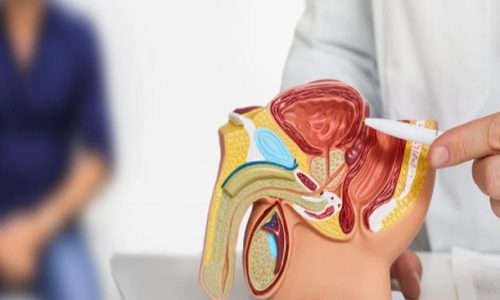
1. Varicocele
A varicocele is a swelling of the veins draining the testicles. It is one of the most common and treatable causes of male infertility. Though the exact reason varicoceles affect sperm is still studied, poor temperature regulation around the testicles is considered a major factor.
Treating a varicocele often improves sperm count, motility, and quality. Many patients see a marked improvement in their chances of conception, especially when undergoing IVF or ICSI.
2. Infections
Certain infections can impact sperm health, causing inflammation or long-term damage. Examples include:
- Epididymitis (inflammation of the epididymis)
- Orchitis (testicular inflammation)
- Sexually transmitted infections such as HIV or gonorrhea
These may interfere with sperm production or block sperm pathways. Even when permanent damage occurs, sperm retrieval techniques at our Marchela center allow successful use of sperm for assisted reproduction.
3. Ejaculation Disorders
Retrograde ejaculation is a condition in which semen enters the bladder instead of exiting the penis. It may be caused by:
- Diabetes
- Spinal injuries
- Medications
- Previous surgeries involving the bladder, prostate, or urethra
Similarly, some men with neurological conditions may produce sperm normally but cannot ejaculate. In such cases, sperm is often retrieved surgically and used in ART procedures.
4. Anti-Sperm Antibodies
In some cases, the immune system mistakenly identifies sperm as harmful cells and begins attacking them. This can lead to decreased motility and difficulty fertilizing the egg.
5. Tumors
Both cancerous and noncancerous tumors may affect male fertility. They can:
- Directly interfere with reproductive tissues
- Affect glands like the pituitary that regulate reproductive hormones
- Require treatments such as radiation, surgery, or chemotherapy that may impair fertility
6. Undescended Testicles
If one or both testicles fail to descend during fetal development, the risk of infertility increases significantly later in life. Even if surgically corrected, fertility issues may still occur.
7. Hormonal Imbalances
Hormone imbalances affecting the:
- Hypothalamus
- Pituitary gland
- Thyroid
- Adrenal glands
can lead to low testosterone and other abnormalities that interfere with sperm production.
8. Blocked Sperm Tubules
Sperm must travel through several narrow tubes before ejaculation. Any blockage in these tubules—caused by infections, surgical injury, congenital abnormalities, or genetic disorders like cystic fibrosis—can prevent sperm from appearing in the semen.
9. Chromosomal Abnormalities
Genetic conditions like:
- Klinefelter syndrome
- Kallmann syndrome
- Kartagener syndrome
- Cystic fibrosis-related abnormalities
may affect testicular development, hormone levels, or sperm production.
10. Sexual Intercourse-Related Problems
These issues may contribute to infertility:
- Erectile dysfunction
- Premature ejaculation
- Pain during intercourse
- Structural abnormalities such as hypospadias
- Relationship issues or psychological stress
11. Celiac Disease
Men with gluten sensitivity may experience reduced fertility, which sometimes improves after adopting a gluten-free diet.
12. Medications Affecting Fertility
The following may interfere with sperm production:
- Testosterone supplements
- Long-term anabolic steroid use
- Chemotherapy medications
- Some antifungal or ulcer medications
13. Previous Surgeries
Surgeries that may affect sperm production or transport include:
- Vasectomy
- Hernia repair
- Testicular or scrotal surgeries
- Prostate surgery
- Major abdominal surgeries for rectal or testicular cancer
At Kiran Infertility Center, Marchela, specialists may perform procedures to reverse blockages or retrieve sperm directly from the testicles or epididymis.
Environmental Causes
Exposure to toxins or heat may affect sperm quality. Risk factors include:
- Industrial chemicals like pesticides, solvents, paints, toluene, xylene, and herbicides
- Lead or heavy metal exposure
- Prolonged exposure to radiation
- Excess heat from tight clothing, hot work environments, long sitting hours, or using laptops on the lap
Even occasional overheating can disrupt sperm production temporarily.
Lifestyle and Other Factors
Certain habits and lifestyle choices strongly influence male fertility:
- Steroid use reduces testicular size and sperm production
- Cocaine or marijuana use temporarily reduces sperm count and motility
- Excessive alcohol affects testosterone levels
- Smoking significantly lowers sperm count
- Chronic stress affects hormone regulation
- Obesity impacts sperm quality and hormonal balance
Occupations that involve prolonged sitting, heat exposure, or vibration (like truck driving or welding) may also affect fertility.
Safety, side effects, and success rates
IUI treatment is generally safe, with most women experiencing only mild discomfort, bloating, or spotting around the time of insemination or ovulation. Ovarian hyperstimulation and multiple pregnancy are rare when cycles are carefully monitored and stimulation kept mild, which is standard practice at the Best IUI centre. Infection risk is very low when sterile technique and proper sperm preparation are followed.
In India, typical IUI success rates are around 10–20% per cycle, with higher chances seen in younger women and those using mild stimulation plus IUI compared with natural-cycle IUI. Cumulative success rises with repeated cycles, and some data suggest that many women under 40 can achieve pregnancy within 3–6 well-managed IUI attempts. Realistic counselling ensures that couples see IUI treatment as one important step in a larger fertility plan rather than a guarantee.
Major Risk Factors
- Smoking, alcohol, or tobacco use
- Use of illicit drugs
- Being overweight
- Recurrent infections
- Environmental toxin exposure
- Testicular overheating
- Prior trauma or surgeries
- History of undescended testicles
- Family history of fertility issues
- Chronic illnesses
- Cancer treatments
Prevention – Advice From Specialists at Kiran Infertility Center, Marchela
While not all causes of male infertility can be prevented, risk can be reduced by:
- Avoiding smoking
- Limiting or avoiding alcohol
- Staying away from recreational drugs
- Maintaining a healthy weight
- Avoiding prolonged heat exposure
- Reducing stress
- Avoiding exposure to pesticides and toxic chemicals
- Staying physically active
- Avoiding unnecessary testosterone or steroid supplements
Male Infertility Treatment in Marchela
At Kiran Infertility Center, Marchela, expert fertility specialists offer advanced diagnostic tools and individualized treatment plans tailored to each patient’s condition. From hormonal treatments and surgical correction to sperm retrieval and advanced ART procedures like IVF/ICSI, our team ensures comprehensive care to help couples achieve parenthood.